

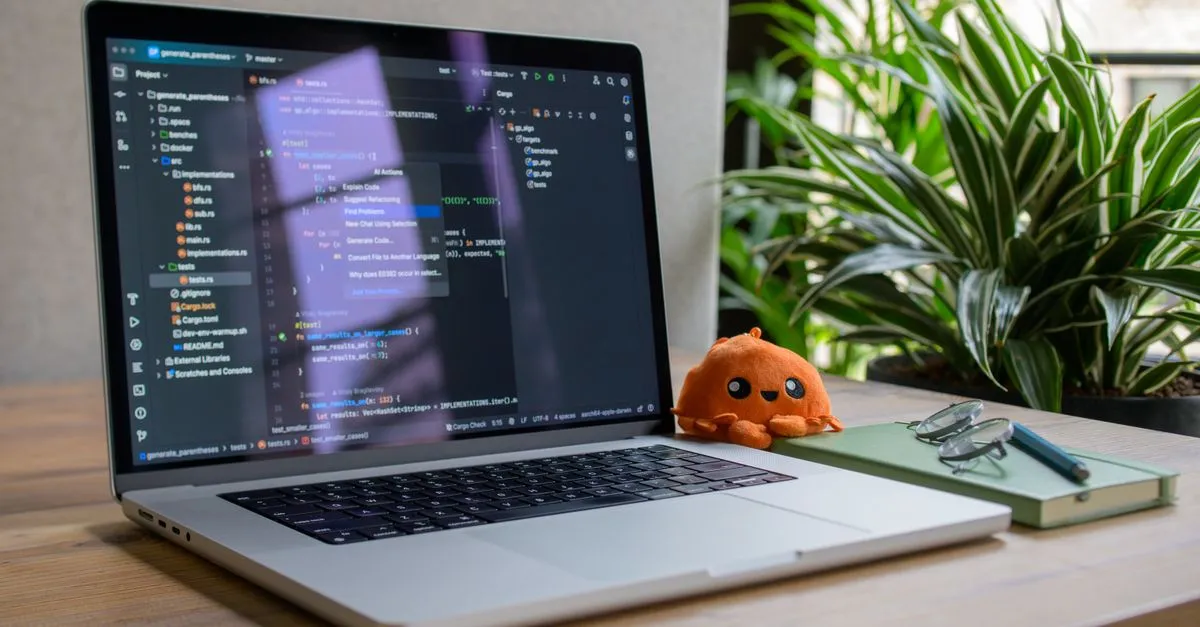
Workflow Digitization
When work passes between people over email and spreadsheets, tasks slip, status is unclear, and accountability is hard to pin down. We digitize end-to-end workflows so each step is routed automatically, governed by rules, and visible to everyone involved. Manual handoffs disappear and work moves predictably from request to completion.
Mapping the end-to-end flow
We work with the people who do the work to map the real flow of a process, including the exceptions and workarounds that never appear in official procedures. Capturing how things truly happen, not how they are supposed to, is what makes automation reliable. We identify the steps, decisions, and handoffs, then redesign them to remove unnecessary stages before anything is built. The outcome is a clean, agreed process that is genuinely worth digitizing.
Rules-based routing and automation
Each workflow is configured with rules that route tasks to the right person or team automatically based on the data in the request. Conditional paths, parallel steps, and escalations are handled by the system rather than by someone remembering to forward an email. Reminders and deadlines keep work moving, and repetitive actions can be automated entirely. People are freed to handle judgement and exceptions while the routine routing simply runs itself.
Tracking, visibility, and accountability
Every request carries a clear status, an owner, and a full history of what happened and when. Managers see where work stands and where it is stuck without chasing updates, and staff know exactly what is waiting on them. The same tracking data reveals bottlenecks and cycle times, giving you evidence to improve the process over time. Accountability becomes built in rather than something enforced through follow-up emails.
What You Get
- End-to-end process mapping with stakeholders
- Redesigned workflow with removed and merged steps
- Rules-based routing, escalation, and reminder configuration
- Status tracking with ownership and full audit history
- Bottleneck and cycle-time reporting
- User training and post-launch tuning
Why Teams Choose Turn Global
- We map how work really happens, including the exceptions
- Built-in tracking turns accountability into a default, not a chase
- Process is streamlined before automation, not just automated as-is
Ready to Start?
Contact our team and we will send the best implementation plan for your business.