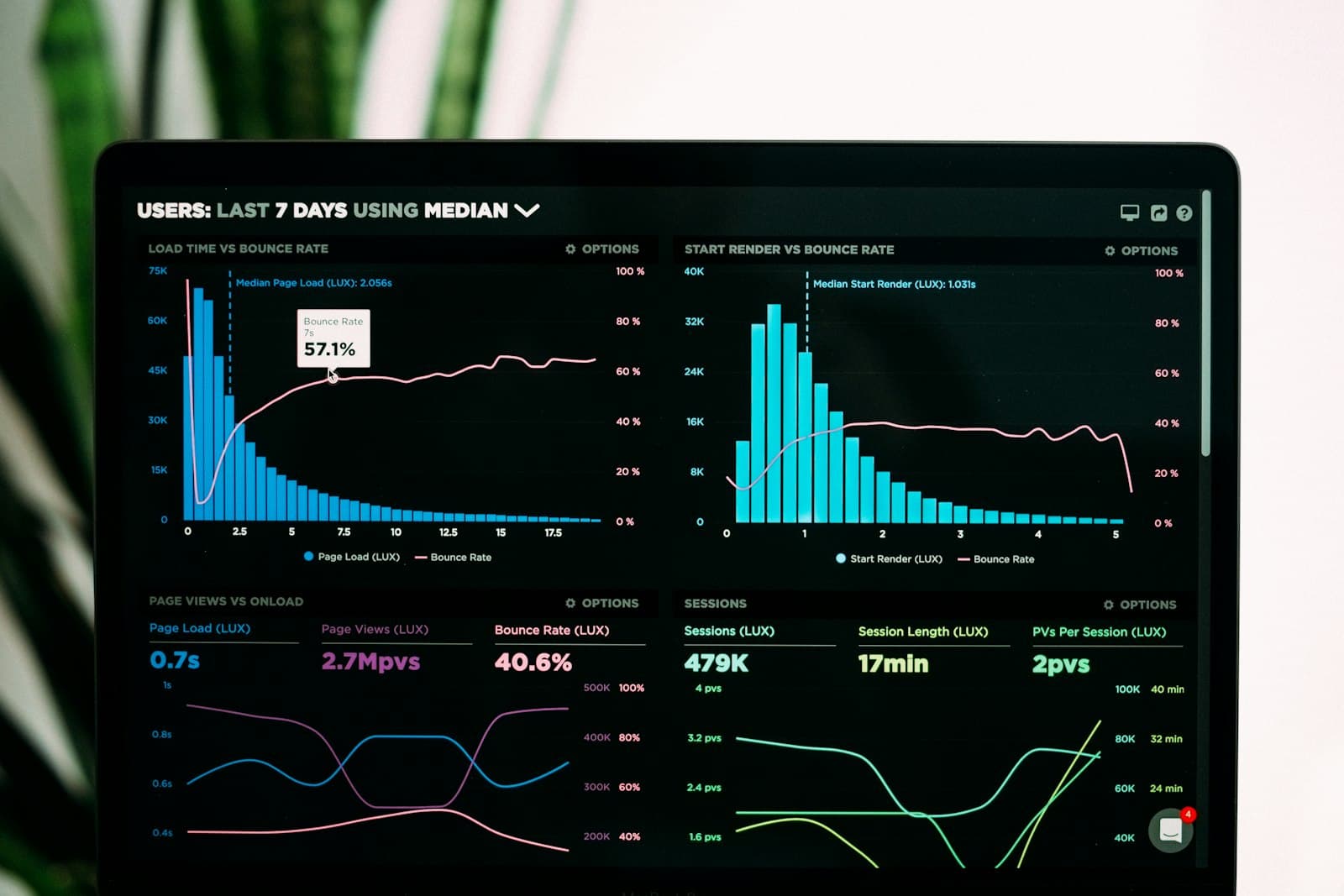
Marketing decisions are only as good as the data behind them, so we build tracking that measures what actually matters. We implement GA4, advertising pixels, and server-side tagging so conversions are captured accurately despite browser and privacy restrictions. The outcome is a single, trustworthy view of what drives results across your channels.
GA4 setup and event configuration
We configure Google Analytics 4 around your business model, defining the events and conversions that reflect real value, such as leads, purchases, sign-ups, or qualified actions. Data streams, key events, and conversion goals are set up correctly so reports answer the questions you actually care about. We structure GA4 explorations and audiences to surface insight rather than noise. Where legacy Universal Analytics habits cause confusion, we translate them into GA4's event-based model.
Pixel and tag management
Advertising pixels for Google, Meta, and other platforms are deployed and verified through Google Tag Manager, keeping tags organized, version-controlled, and easy to audit. We map each tag to the right trigger so events fire once, on the right action, without duplication that inflates numbers. Consent handling is built in to respect privacy requirements. A clean Tag Manager setup makes future changes fast and reduces the risk of broken tracking after site updates.
Server-side tracking and data accuracy
Browser-based tracking loses data to ad blockers, cookie restrictions, and privacy changes, so we implement server-side tagging and platform APIs such as Meta's Conversions API. This restores lost conversion signal, improves attribution, and gives advertising algorithms better data to optimize against. We validate events end to end, comparing platform-reported numbers with analytics and back-end records to catch discrepancies. Accurate measurement directly improves the performance of every campaign.
UTMs, attribution, and reporting
We establish a consistent UTM convention so traffic sources, campaigns, and creatives are labeled the same way across every channel and team. This makes attribution coherent and prevents the fragmented, unreadable source data that plagues many accounts. We build reporting and dashboards that connect spend to conversions and, where possible, revenue, so stakeholders see the full picture. The result is a measurement framework your whole marketing program can trust.
What You Get
GA4 configuration with key events and conversion goals
Google Tag Manager setup with organized, audited tags
Advertising pixel deployment and verification across platforms
Server-side tracking via tagging and platform APIs
Standardized UTM tagging convention and documentation
Conversion dashboards connecting spend to outcomes
Why Teams Choose TurnGlobal
Data-accuracy focus that improves every downstream campaign decision
Server-side tracking to recover signal lost to privacy changes
Consistent UTM and attribution structure across all channels
End-to-end validation against analytics and back-end records
FAQs
Why do my platforms report different conversion numbers?
Each platform attributes conversions differently and within its own window, so Google, Meta, and GA4 rarely match exactly. We reconcile them by validating events end to end and using server-side tracking, then choose a primary source of truth so decisions stay consistent.
Do I need server-side tracking?
If you advertise on Meta or Google and rely on accurate conversion data, it is increasingly important. Server-side tagging and platform APIs recover conversions lost to ad blockers and cookie restrictions, improving both reporting accuracy and how ad algorithms optimize.
What is the difference between GA4 and the old Analytics?
GA4 uses an event-based data model rather than the session and pageview model of Universal Analytics. It handles cross-device and privacy-first measurement differently, so reports and conversions must be configured around events. We set it up to match how your business defines value.